Introduction
In 2026, a quiet revolution is underway inside enterprises worldwide. It’s not caused by a new software platform or a trending productivity tool—but by AI-driven LLM virtual assistants that work alongside teams like digital employees. They learn continuously, reason through complex scenarios, and carry out enterprise operations with a level of speed and precision that was unimaginable a few years ago.
Businesses are no longer experimenting with AI—they are restructuring their operations around it. And the impact is visible across every industry.
The Rise of the “Digital Coworker” Era
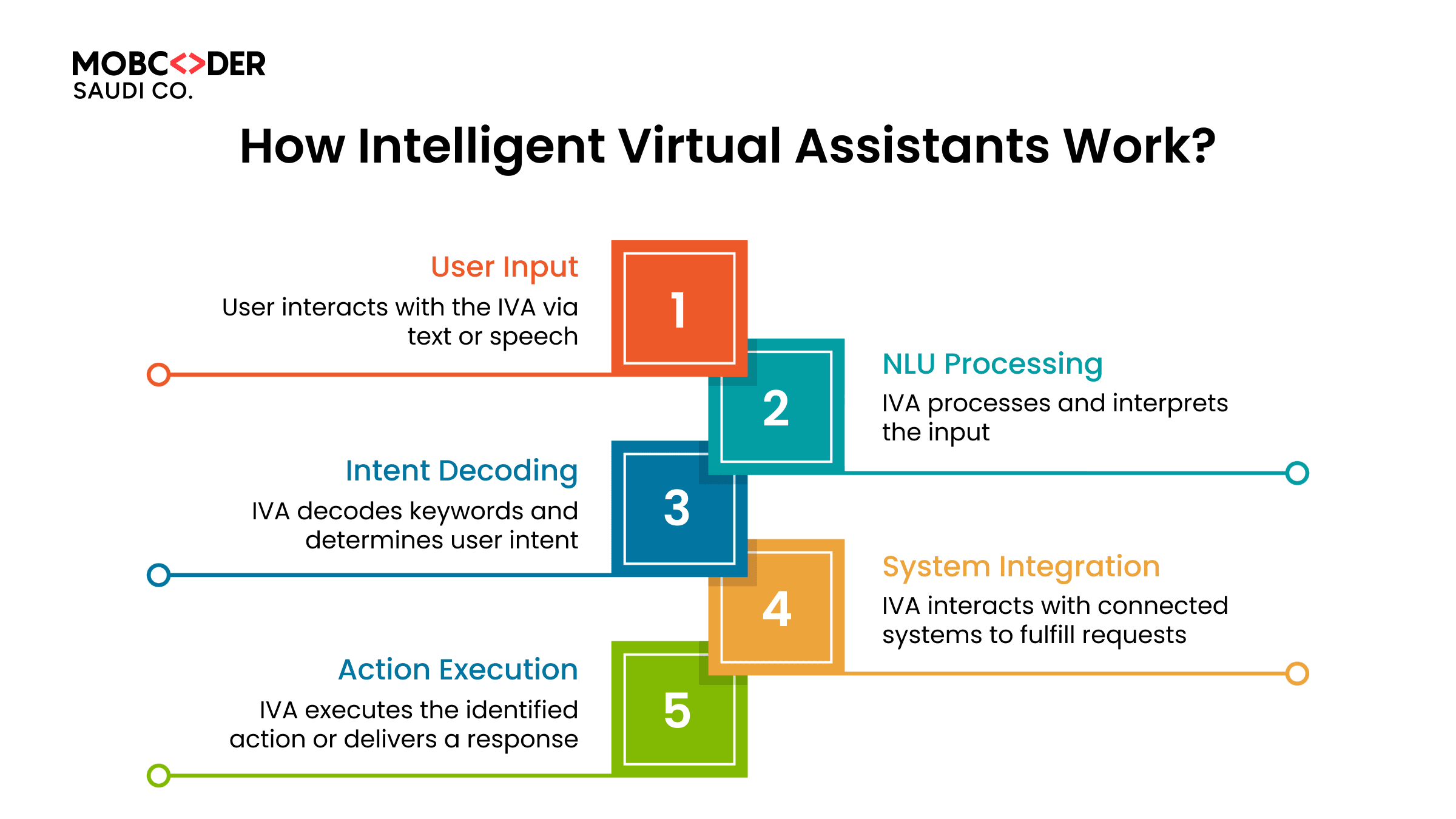
Modern LLM-powered assistants are far more than chatbots. They interpret documents, understand enterprise workflows, access databases, communicate with systems, and make decisions based on rules and real-time data.
Instead of waiting for instructions, they anticipate needs—reminding teams about deadlines, generating insights from dashboards, or flagging compliance risks before they escalate.
This shift marks the beginning of the Digital Coworker Era, where AI functions as an extension of the workforce rather than a tool sitting on the sidelines.
Insurance Transformed: Precision, Speed, and Fairness
Few industries have experienced AI-driven change as dramatically as insurance.
Premium Calculations Become Real-Time
Traditionally, underwriting required manual data entry, document verification, risk scoring, and human judgment. In 2026, LLM-based assistants blend:
- historical claims data
- risk models
- customer profiles
regulatory requirements
…to deliver premium calculations instantly. The speed is not the only benefit—accuracy and fairness have improved because AI removes human bias and inconsistency.
Claim Settlement Moves at the Speed of Trust
Claims, once a painful waiting game for customers, now move swiftly through AI-driven workflows.
Virtual assistants:
- read and interpret claim documents
- detect missing information
- Verify authenticity against policy rules
- Identify possible fraud patterns
- generate settlement recommendations
Customers no longer wait weeks; some claims are approved within the same day. Insurers benefit from lower operational costs, fewer errors, and happier customers—while fraud detection becomes significantly more robust.
Banking Enters the Age of Voice Intelligence
In 2026, customers don’t tap through endless menus. They talk to their bank.
Voice-command banking has become mainstream because LLM assistants understand conversational nuances. A user can simply say:
The AI handles authentication, executes the transfer, and instantly generates a personalized spending analysis. It’s convenient, intuitive, and secure.
Banks have discovered an additional advantage:
voice interactions generate stronger customer engagement, especially among users who find traditional apps overwhelming.
Customer Support Reimagined: Faster, Smarter, Always On
No enterprise wants customers waiting. In 2026, AI assistants are the new frontline of support—capable of managing thousands of inquiries simultaneously, regardless of time zone or language.
The AI doesn’t just reply. It understands sentiment, retrieves order records, fixes technical issues, and even predicts what the customer might ask next.
For complex problems, it prepares a full context summary for the human agent, drastically reducing resolution time. This blend of AI + human creates a smoother, more empathetic support system.
Companies are reporting 50–70% reduction in support-related costs while improving customer satisfaction scores.
Scalability That Humans Alone Could Never Achieve
Enterprises now operate at a pace that human-only teams couldn’t sustain. AI-driven assistants scale effortlessly during peak loads:
- Insurance companies during natural disasters
- Banks during loan processing seasons
- Airlines during rescheduling spikes
What once required hundreds of temporary staff can now be absorbed instantly by AI—without compromising service quality.
The more the workload increases, the stronger the business case for AI becomes.
New Insights, Better Decisions: The Strategic Impact of AI
LLM virtual assistants are also reshaping leadership and decision-making. They analyze vast datasets, summarize trends, create projections, and uncover hidden patterns.
Executives rely on AI-generated insights for:
- operational forecasting
- sales optimization
- risk assessment
- compliance monitoring
- financial planning
This means businesses move faster, respond sooner, and operate smarter.
Why 2026 Is the Breakthrough Year
Several factors have converged to make 2026 the tipping point:
- multimodal AI models that understand text, voice, images, and documents
- stronger enterprise-grade security frameworks
- widespread cloud adoption
- declining costs of AI infrastructure
- global acceptance of digital-first workflows
Enterprises are no longer adopting AI as a competitive advantage—it has become a business necessity.
The Road Ahead: Autonomous Enterprises?
As LLMs grow more capable, organizations are beginning to envision fully autonomous workflows:
- AI-driven underwriting
- AI-managed customer service departments
- AI-led financial advisory services
- AI-driven compliance monitoring
While humans remain essential, the next generation of enterprise operations will be AI-first and human-guided.
The enterprises investing in AI-driven virtual assistants today are building the foundation for the autonomous organizations of tomorrow.
Conclusion
AI-driven LLM virtual assistants aren’t just enhancing enterprise operations—they’re redefining them. From instant insurance processing to voice-enabled banking, from scalable customer support to data-backed decision-making, AI has become a core engine powering business growth in 2026.
The enterprises that embrace this shift today won’t just operate more efficiently—they’ll lead the next generation of digital transformation.
FAQ
What exactly is an AI-driven LLM virtual assistant?
An AI-driven LLM virtual assistant is an advanced software system powered by large language models capable of understanding natural language, automating tasks, analyzing data, and supporting enterprise operations like a digital coworker.
How are virtual assistants different in 2026 compared to older chatbots?
Earlier chatbots followed rules.
2026 virtual assistants reason, learn, and execute workflows autonomously. They integrate with enterprise tools, process documents, make predictions, and deliver personalized actions—not just answers.
Are AI-driven assistants safe for the financial and insurance sectors?
Yes. Modern enterprise AI solutions include encryption, identity verification, compliance checks, access controls, and real-time monitoring. They operate within strict regulatory frameworks and follow industry security standards.
Will AI assistants replace human employees?
Not entirely. They replace repetitive, rule-based tasks, allowing humans to focus on creative thinking, customer relationships, and strategic decision-making. The future workforce is AI + human, not AI vs human.
How do AI assistants help reduce costs for enterprises?
They automate large volumes of tasks, cut down manual errors, reduce support workload, eliminate repetitive labor, and scale operations without hiring additional staff—resulting in significant cost optimization.